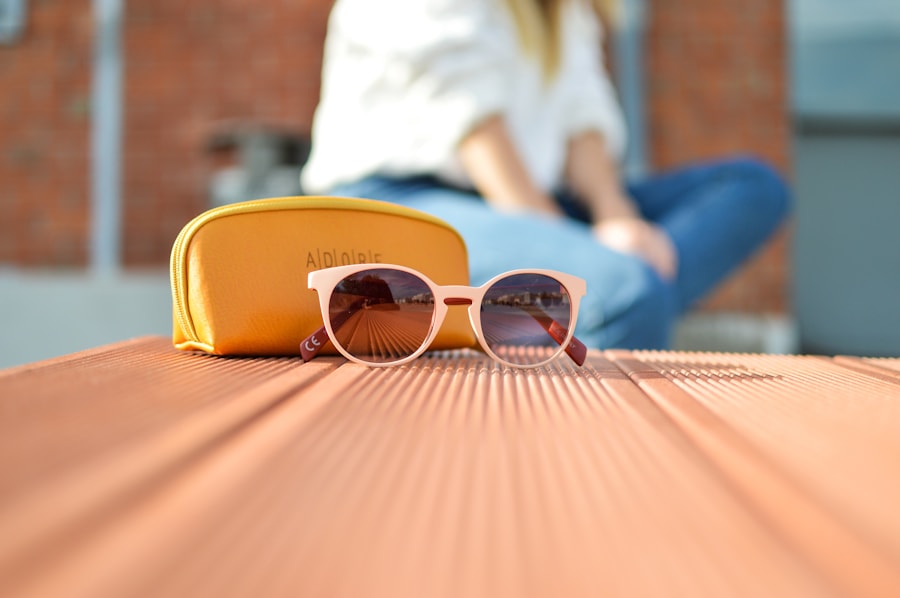
Quick answer: the most common prescription sunglasses mistakes are choosing tint by looks alone, ignoring UV protection, picking a frame that does not suit the prescription, paying for polarised or photochromic lenses without checking the use case, and forgetting that tinted prescription lenses may have different returns rules.
Prescription sunglasses can be one of the best online eyewear purchases because they are often a second pair and many buyers already know their everyday prescription. But they still need more thought than fashion sunglasses. You are buying optical lenses as well as a style accessory.
The right pair depends on what you need them for: driving, holidays, water glare, sports, everyday summer use, light sensitivity or designer-frame value. Start with use, then choose frame and lens options.
1. Confusing dark tint with UV protection
Dark lenses are not automatically better. UV protection is the important safety feature. A darker tint may feel more comfortable in bright light, but you should still check what the retailer says about UV protection and lens standards.
Think about tint depth and colour in relation to where you will wear the glasses. Brown and grey tints are common for everyday use, while very dark lenses may not be ideal in every setting.
2. Choosing a fashion frame that does not suit the prescription
Large sunglass frames can look stylish, but they may make stronger prescription lenses thicker and heavier. Wraparound styles can be difficult for some prescriptions. Very shallow or highly curved frames may also limit lens options.
If you have a stronger prescription, compare frame measurements carefully and consider whether a slightly smaller shape would give a better finished result.
3. Paying for polarised lenses without checking the trade-off
Polarised lenses can reduce glare from roads, water and bright reflective surfaces. They can be excellent for driving, holidays and outdoor use. The trade-off is that polarised lenses can affect how some screens, dashboards and phone displays appear.
That does not make polarised lenses bad. It means they should be chosen for a reason, not because they sound automatically premium.
4. Not thinking about driving conditions
If the sunglasses are mainly for driving, check whether the tint, darkness and lens technology are suitable for that use. You need comfortable glare reduction without making visibility worse in changing light.
Photochromic lenses can be useful in some situations, but they do not always behave the same inside a car because windscreens can affect UV exposure. If driving is the main use, read the retailer's explanation carefully.
| Use case | Before you order |
|---|---|
| Driving | Glare reduction, tint suitability and screen/dashboard visibility. |
| Beach or water | Polarised options and comfortable UV protection. |
| Everyday summer use | Frame comfort, tint depth and delivery timing. |
| Designer frame purchase | Whether the final lens package still makes the deal worthwhile. |
5. Underestimating the finished price
Prescription sunglasses can involve several paid choices: prescription lenses, tint, polarisation, mirror coatings, thinner lenses, designer frames and delivery. A frame sale can still become expensive once the sunglass lens package is added.
Build the total order cost before judging the deal. If you are comparing retailers, use the same tint and lens options at each one.
6. Forgetting about returns
Tinted prescription lenses are custom-made. Some retailers have strong satisfaction guarantees, while others apply stricter rules once lenses are made. Check before ordering, especially if you are buying an expensive designer frame or a non-standard tint.
Prescription sunglasses checklist
- Confirm the sunglasses include suitable UV protection.
- Choose tint depth for the real use case, not just appearance.
- Check whether the frame shape suits your prescription.
- Compare polarised, photochromic and standard tint options.
- Build the total order cost including lens upgrades and delivery.
- Read the prescription sunglass returns rules before ordering.
- Use optician support if you have a complex prescription or fitting concerns.
Frequently asked questions
Are prescription sunglasses worth buying online?
They can be, especially if you know your prescription and already understand the frame size that suits you. Online buying is less straightforward if you need specialist fitting, a very curved frame, varifocals or complex prescription checks.
Should I choose polarised prescription sunglasses?
Polarised lenses are worth considering if glare is the main problem, such as driving in bright conditions or spending time near water. They are not automatically essential for every buyer, so compare the extra cost against how you will actually use the glasses.
Can I return prescription sunglasses?
Return rules vary because prescription sunglasses are usually made to order. Always check the retailer's prescription-lens and tinted-lens policy before buying, especially with designer frames or sale items.
Where to compare next
Start with the prescription sunglasses online guide, then compare retailer strengths in the online glasses retailer shortlist. If you are buying branded sunglasses, also read the designer glasses deals guide so you compare the finished price rather than the advertised frame saving.