

💻 Blue Light Glasses Need Checker UK | Do You Really Need Them?

Screens are part of everyday life — but they may also cause digital eye strain, headaches, and poor sleep. Many people wonder: “Do I really need blue light glasses?”
This free Blue Light Glasses Need Checker analyses your screen time, symptoms, and habits to see if you’d benefit from a filter. Get a tailored result in seconds — plus lens advice, product picks, and expert tips.
Why Blue Light Matters
Blue light is a type of visible light with a short wavelength and higher energy. It mainly comes from the sun, but also from digital screens, LED lighting, and smartphones. While natural exposure in the daytime helps regulate our body clock, excessive artificial blue light at night or from prolonged screen use can be a problem.
- 😵 Digital eye strain: headaches, blurred vision, tired eyes
- 🌙 Sleep disruption: suppression of melatonin (the sleep hormone)
- 📱 Increased fatigue: difficulty focusing after long screen sessions
The NHS notes that “digital eye strain is common, especially in people using screens for work.” Blue light glasses are one potential solution, alongside healthy screen habits.

🔧 Blue Light Glasses Need Checker
Answer a few quick questions about your screen use and habits to see if blue light glasses could benefit you.
The Science Behind Blue Light & Eye Strain
Digital Eye Strain (DES) is a group of symptoms caused by long screen use: tired eyes, blurred vision, headaches, and difficulty focusing. Studies suggest that prolonged exposure to artificial blue light may worsen these symptoms by making your eyes work harder to focus.
Blue light is also known to influence our circadian rhythm (sleep-wake cycle). Late-night screen exposure can delay melatonin release, making it harder to fall asleep and get quality rest. This is why blue light glasses may improve comfort and sleep quality for heavy screen users.
Research is ongoing. While blue light glasses aren’t a cure-all, many users report reduced eye strain and improved comfort.
Blue Light Lens Options Explained
Not all blue light lenses are the same. Here are the most common types available in the UK:
Standard Blue Light Filter
A subtle coating that blocks a portion of blue light while keeping lenses clear. Best for everyday screen users with mild symptoms.
Enhanced Digital Protection
Stronger filtering, sometimes with a slight yellow tint. Ideal for those with long work hours on screens or moderate digital eye strain.
Photochromic + Blue Light
Dual-function lenses that protect against screens indoors and darken in sunlight outdoors. Great for people who move between digital and outdoor environments.
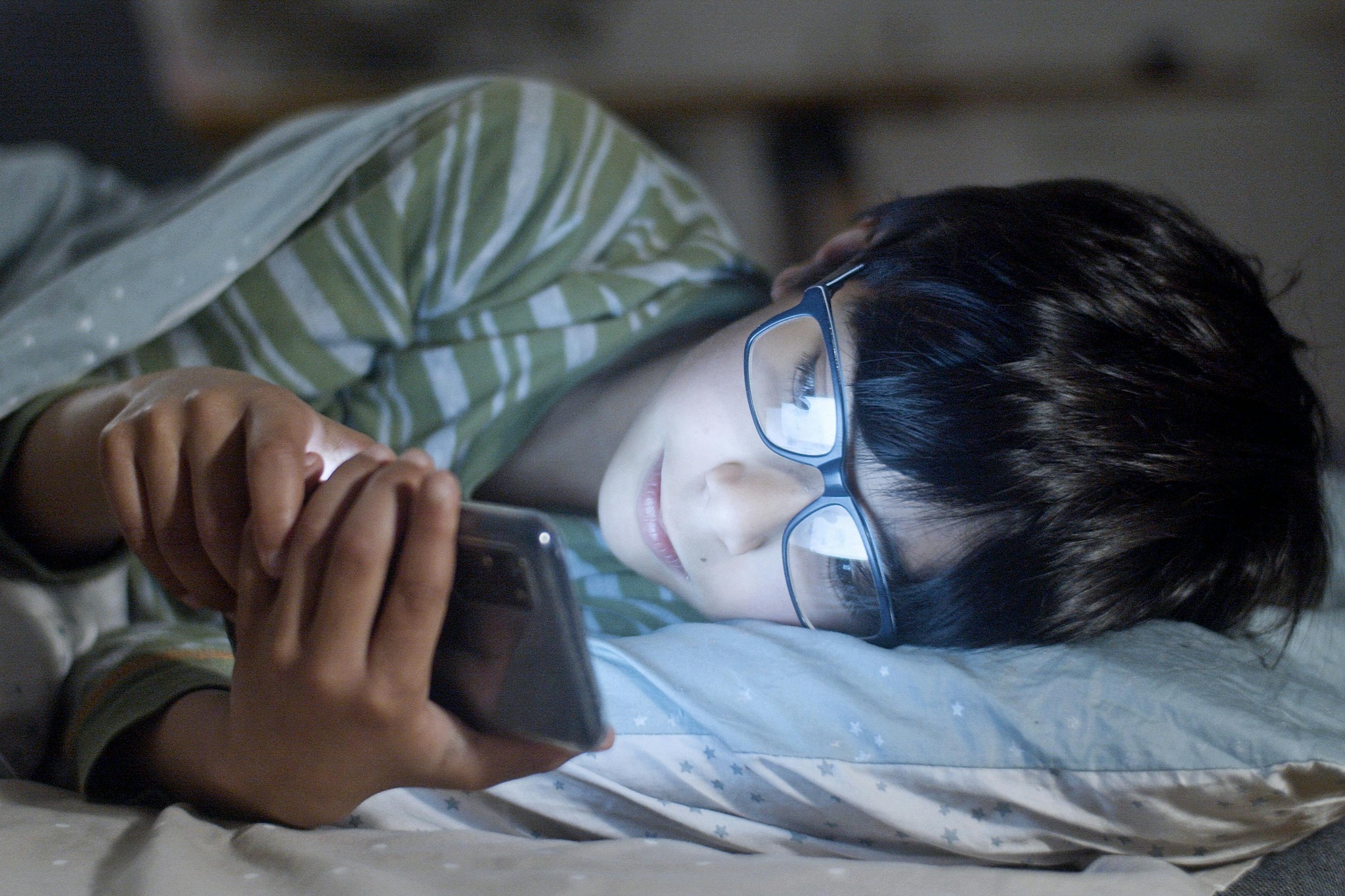
7 Expert Tips for Reducing Digital Eye Strain
- 👀 Follow the 20-20-20 rule: every 20 minutes, look 20 feet away for 20 seconds.
- 💡 Adjust screen brightness to match room lighting.
- 🕒 Take regular breaks away from the screen to reset your eyes.
- 🌙 Avoid screens 1 hour before bedtime for better sleep.
- 😎 Consider blue light glasses with AR (anti-reflective) coating for maximum comfort.
- 💧 Stay hydrated and blink often to avoid dry eyes.
- 🪟 Position screens to reduce glare from windows or overhead lights.
Recommended Blue Light Glasses
These frames are popular and affordable choices that can be fitted with blue light filter coatings — perfect for work, study, and screen-heavy lifestyles.


Disclosure: We may earn a small commission at no extra cost to you if you buy through our affiliate links.
Blue Light Glasses FAQs (UK)
Do I need blue light glasses?
If you spend more than 4–6 hours a day in front of screens, blue light filter glasses can help reduce eye strain, improve comfort, and may support better sleep quality in the evenings.
Can I add blue light filter to any frame?
Yes. Most online retailers in the UK let you choose a blue light filter as a lens add-on for any prescription or non-prescription frame.
Are blue light glasses suitable for children?
Yes. Children and teens often use tablets and smartphones extensively. Adding blue light filter lenses to kids’ glasses can help reduce digital strain.
Do blue light glasses affect colour perception?
No. Modern blue light filters are almost invisible and do not significantly distort colours. Some may have a very faint yellow tint, but it’s generally unnoticeable in everyday use.
About This Tool
This Blue Light Glasses Checker is designed to help UK users understand if they may benefit from adding a blue light filter to their lenses. It is not a medical diagnosis tool. If you experience persistent eye strain, headaches, or vision changes, consult your optician or an eye care professional.