


Driving in the UK with prescription glasses

What Prescription Requires Glasses for Driving in the UK? (2025 Guide)

Understand the UK’s DVLA rules on eyesight standards for driving. Find out what prescription strength requires glasses, and the best affordable eyewear options.

Driving safely in the UK isn’t just about obeying traffic laws — it’s also about having the right vision. The DVLA sets clear minimum eyesight requirements for driving. But many drivers aren’t sure whether their prescription means they legally need glasses behind the wheel. This guide explains the rules, how to test yourself, and where to find affordable prescription glasses for driving.

DVLA Eyesight Standards for Driving in the UK

In the UK, the Driver and Vehicle Licensing Agency (DVLA) sets the minimum eyesight requirements that all drivers must meet. These standards are designed to ensure that you can react quickly and see potential hazards clearly while driving.
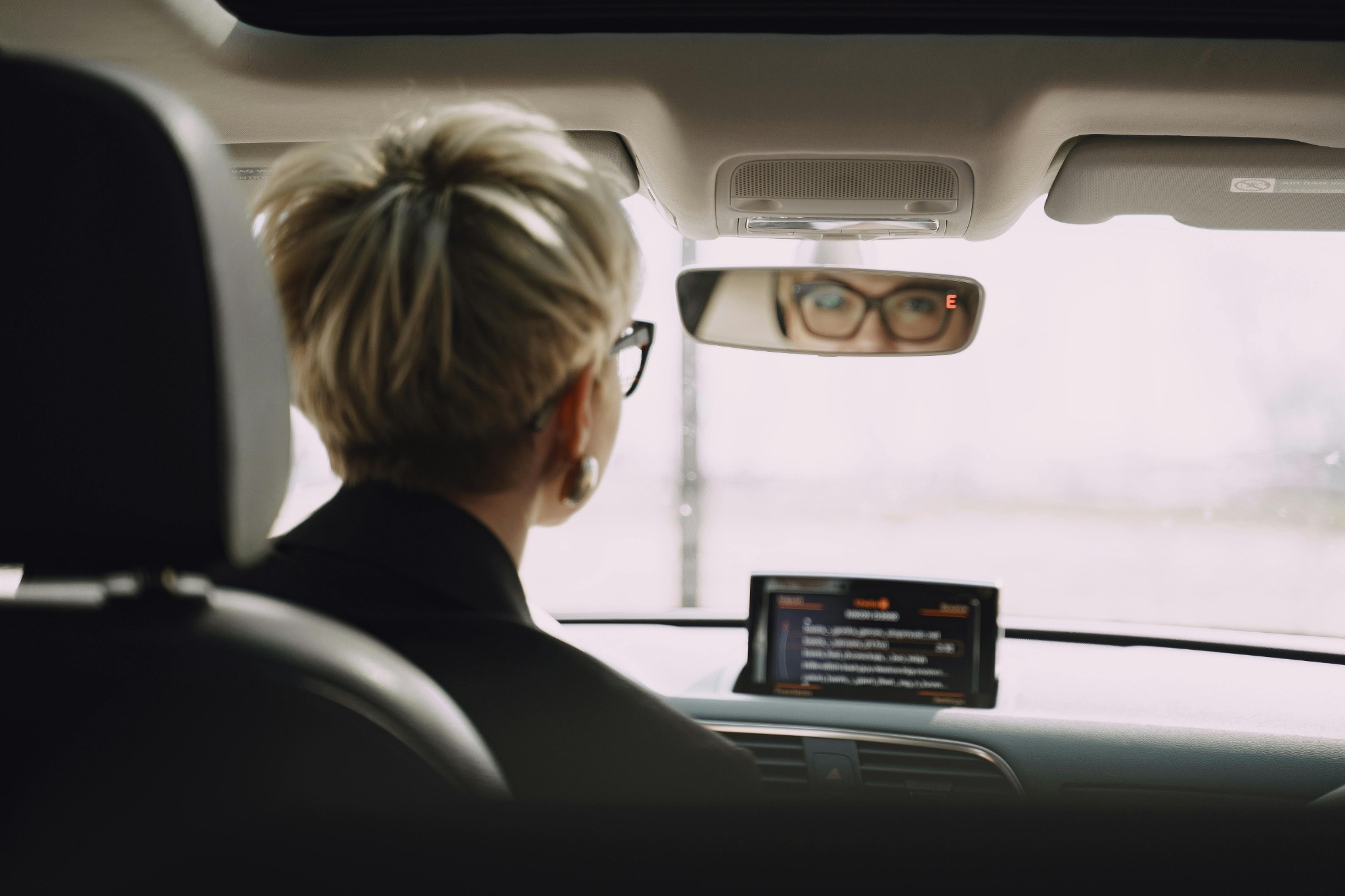
Woman driving in the UK wearing glasses
Many drivers meet DVLA vision requirements by wearing prescription glasses or contact lenses.

Current DVLA Eyesight Rules

  • Number plate test: You must be able to read a car number plate (made after 2001) from 20 metres away.
  • Visual acuity: At least 6/12 on the Snellen scale, using both eyes together (with glasses or contacts if needed).
  • Field of vision: A wide enough visual field without significant defects.
Important: If you need glasses or contact lenses to meet these standards, you are legally required to wear them every time you drive. Driving without them could result in fines, penalty points, or even disqualification.

Most drivers who fall below these standards are those with moderate prescriptions for short-sightedness (myopia) or astigmatism. The key question is: what prescription level actually requires glasses for driving? We’ll cover that next.

What Prescription Requires Glasses for Driving?

In the UK, the DVLA does not set a specific “prescription limit” in dioptres (like -1.00 or -2.00) that requires glasses. Instead, the rule is based on what you can see — whether you meet the number plate and Snellen chart standards. However, we can give some guidance on what prescriptions usually mean glasses are required for driving.
Driver’s view through a car mirror with glasses
If your prescription falls outside DVLA eyesight standards, glasses or contacts are legally required for driving.

Typical Prescription Thresholds

  • Myopia (short-sightedness): Many drivers with prescriptions of -1.00D or worse struggle to read a number plate at 20m. Glasses are usually required.
  • Hyperopia (long-sightedness): Mild cases may be fine, but stronger prescriptions often require glasses for distance clarity.
  • Astigmatism: Even mild astigmatism (-0.75D or more) can cause blur and glare at night, making glasses advisable.
Important: These numbers are only a guide. The DVLA tests actual vision, not prescription values. Always follow your optician’s advice and ensure your glasses are worn if needed to meet legal driving standards.

In short, if you cannot read a number plate at 20 metres without glasses, you must wear them while driving. Even mild prescriptions may be enough to fail this test, especially in low light or at night.

How to Test Your Vision for Driving

Not sure if your eyesight meets the DVLA standard? Here are the two main ways to check if you need glasses for driving in the UK:

The 20 Metre Number Plate Test

This is the simplest and most practical test. Step back 20 metres (about 5 car lengths) from a car with a modern number plate (made after 2001). If you can read it clearly, you meet the standard. If not, you’ll need glasses or contact lenses while driving.

The Snellen Chart Test

During an eye exam, your optician will use a Snellen chart — the familiar board of letters that get smaller line by line. To drive legally, you need to achieve at least 6/12 vision with both eyes, which means you can read at 6 metres what a person with normal vision can read at 12 metres.

Tip: Even if you scrape through in daylight, low light and night-time conditions often make vision worse. If you notice blur or glare at night, glasses with an anti-reflective coating can make driving much safer.

If you’re ever unsure, book a quick eye test with your optician. Many high-street opticians offer free NHS eye tests if you meet certain criteria, and affordable private tests are widely available.

Best Glasses Options for UK Drivers

If your prescription means you need glasses for driving, choosing the right pair is important. Comfort, clarity, and coatings all make a big difference, especially for night driving.

Baxter Black affordable driving glasses UK

Baxter Black

Smart, durable black frame — ideal as everyday driving glasses with optional anti-glare coating.

£23.95
View on LowCostGlasses →
Wynn Brown prescription glasses for driving UK

Wynn Brown

Contemporary brown frame with a warm tone. Add an anti-reflective lens upgrade for safer night driving.

£23.95
View on LowCostGlasses →
Surry Brown driving prescription glasses UK

Surry Brown

Versatile everyday frame — budget-friendly option for drivers who need prescription clarity.

£23.95
View on LowCostGlasses →
Tip for drivers: Always consider adding an anti-reflective coating if you drive at night. It reduces glare from headlights and streetlamps, making night driving much safer.

Final Verdict: Glasses & Driving Prescriptions in the UK

UK law is clear: you must always meet DVLA eyesight standards when driving. If your prescription means you can’t read a number plate from 20 metres, or if your Snellen score is worse than 6/12, then glasses or contact lenses are legally required. For many drivers, this means wearing prescription glasses every time they get behind the wheel.

The good news is that affordable prescription glasses are widely available online. Whether you spend under £20 for a spare pair or under £50 for a durable daily driver, you don’t need to break the bank to stay safe — and legal — on UK roads.

FAQs: Driving with Glasses in the UK

Here are the most common questions UK drivers ask about eyesight rules and glasses for driving:

Do I need to wear glasses if I can just about read a number plate?

Yes. If you struggle at 20 metres or squint to read it, you should wear glasses. The law requires clear and consistent vision, not borderline results.

What happens if I drive without my required glasses?

You could face a fine, penalty points, or even disqualification. Your insurance may also be invalidated if you’re found not meeting DVLA standards.

Does DVLA set a prescription limit (like -1.00D)?

No. The DVLA bases rules on vision tests, not prescription numbers. However, many drivers at -1.00D or worse need glasses to meet the standard.

Are night driving glasses necessary?

Not legally, but anti-reflective coatings are highly recommended. They reduce glare from headlights and make night driving safer.

Do I need glasses for driving with mild astigmatism?

Often yes, especially at night. Even small amounts of astigmatism can cause blur and glare under low-light conditions.

Can I use reading glasses for driving?

No. Reading glasses are for close-up vision. For driving, you need distance-correcting glasses if your eyesight does not meet DVLA standards unaided.

Can I wear sunglasses instead of prescription glasses?

Only if your sunglasses have prescription lenses. Otherwise, non-prescription sunglasses won’t correct your vision.

Do contact lenses count as meeting DVLA standards?

Yes. Contacts are treated the same as glasses. You must wear them if needed to pass the eyesight test.

Are there different eyesight rules for lorry or bus drivers?

Yes. LGV and PCV drivers must meet stricter visual acuity and field of vision standards. Always check DVLA guidance if applying for these licences.

Can my optician report me to the DVLA?

Yes. Opticians are required to advise you not to drive if you do not meet the legal standard, and may contact the DVLA if you ignore this advice.

Shopping Basket